

Daftar Isi
- 1. What is MS Polymer Sealant? (The Hybrid Revolution)
- 2. MS Polymer Sealants vs Silicone: 2026 Technical Comparison
- 3. Why Hybrids are Dominating in 2026
- 4. Choosing the Best MS Polymer Sealant for Your Industry
- 5. 5 Common Mistakes in Transitioning to Hybrid Sealants
- 6. Conclusion: The Future is Hybrid
In the professional world of construction and industrial assembly, the choice of sealant has long been a binary decision between the strength of polyurethane and the weather resistance of silicone. However, as we move through 2026, a third category has surged to the forefront of the global market: MS Polymer (Modified Silane) Sealants.
According to recent Semrush data, the search volume for ‘MS Polymer Sealant vs Silicone’ has increased significantly as procurement managers look for more sustainable, paintable, and durable alternatives. This guide explores why hybrid technology is rapidly becoming the industry standard and how to choose the best MS polymer sealant for your specific project.
What is MS Polymer Sealant? (The Hybrid Revolution)
MS Polymer, often referred to as hybrid sealant, is a chemical marriage of silicone and polyurethane technologies. By modifying the backbone of a polyurethane polymer with silane terminal groups, manufacturers like Joobond have created a material that captures the ‘best of both worlds’ without the traditional drawbacks of either chemistry.
The Problem with Traditional Silicone
While silicone is excellent for UV resistance and high-temperature stability, it has two major flaws in industrial environments:
- Non-Paintability: Once applied, silicone cannot be painted over, which is a deal-breaker for automotive and architectural cladding projects.
- Oil Bleeding: Traditional silicone can leach oils into porous substrates like stone or marble, causing permanent staining.
The MS Polymer Solution
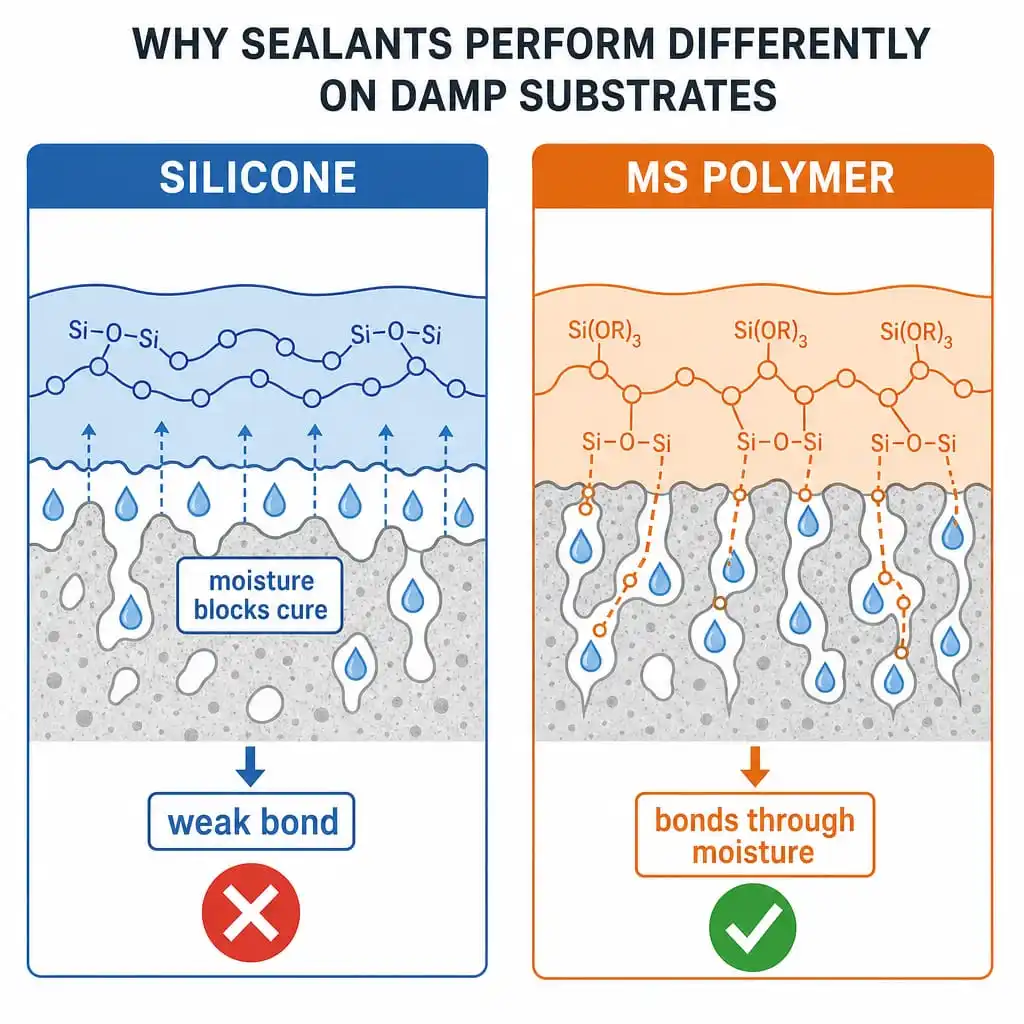
Hybrid technology eliminates these issues. MS polymers are 100% paintable, contain no isocyanates (making them safer for the environment), and offer superior adhesion to damp surfaces.
MS Polymer Sealants vs Silicone: 2026 Technical Comparison
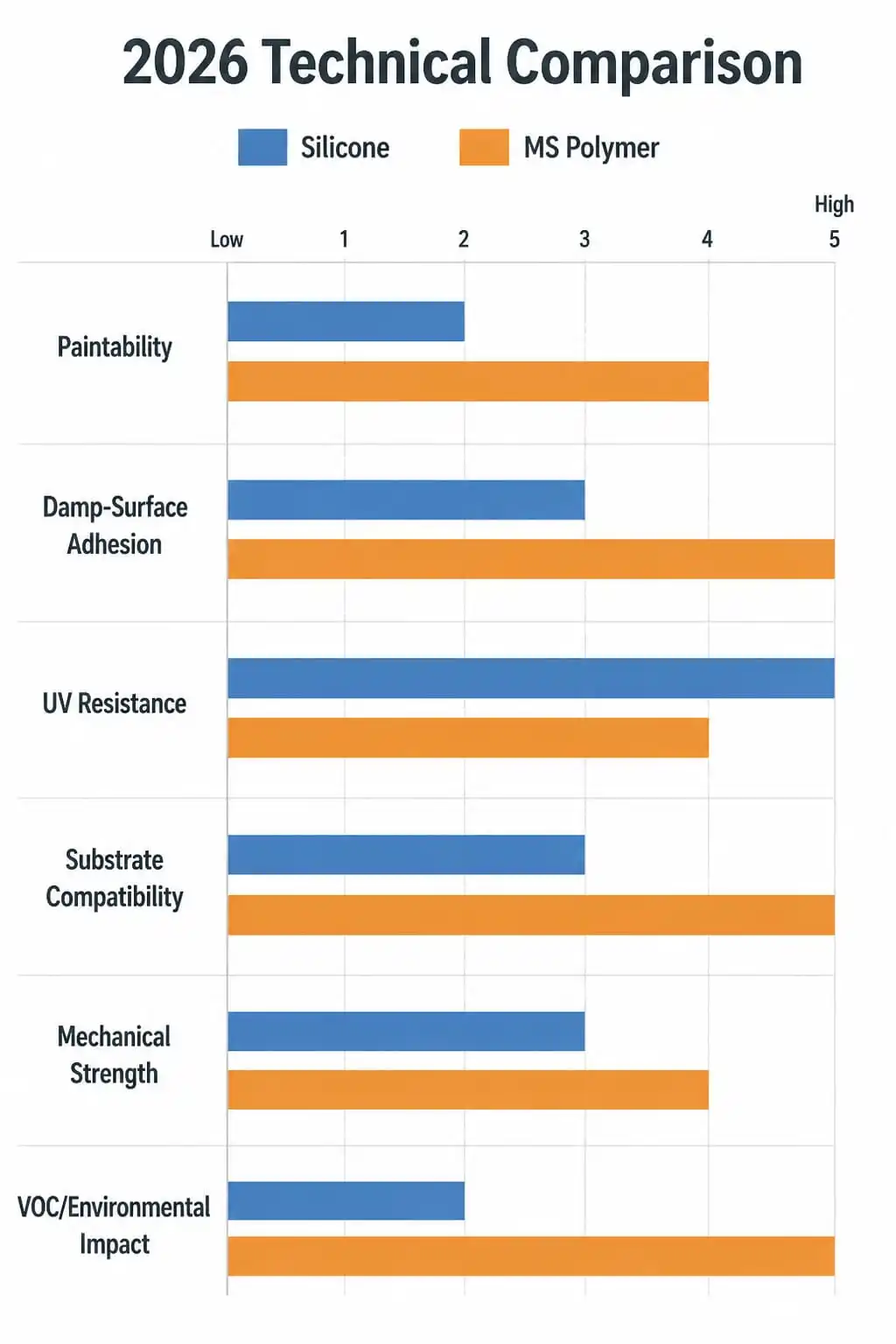
To understand why hybrids are replacing silicone in 2026, we must look at the specific performance data. While silicone remains the champion for high-heat stability (often resisting temperatures up to 250°C), MS polymers are designed for the high-stress, multi-substrate reality of modern construction and manufacturing.
Below is a detailed breakdown of the technical trade-offs that procurement officers should consider when reviewing their Sealant Supplier Selection Guide:
| Fitur | Sealant Silikon | MS Polymer (Hybrid) | Technical Note |
|---|---|---|---|
| Dapat Dicat | Tidak | Yes (Excellent) | Hybrids accept water-based and solvent-based paints without delamination. |
| Adhesion to Damp Surfaces | Poor | Sangat Baik | Silicone requires a dry substrate for its chemical bond; MS Polymer bonds mechanically to moisture-laden pores. |
| Ketahanan UV | Exceptional | Exceptional | Both materials are stable under intense sunlight, though hybrids offer better color retention over 10 years. |
| Substrate Compatibility | Limited (requires priming) | Wide (Often primer-less) | Hybrids bond to aluminum, PMMA, polycarbonate, and galvanised steel without pre-treatment. |
| Mechanical Strength | Sedang | Tinggi | MS Polymers typically offer higher tensile strength (2.5 MPa+) than general-purpose silicone. |
| Dampak Lingkungan | VOC concerns | Low VOC / Isocyanate-Free | Hybrids meet the strictest 2026 VOC limits for indoor air quality. |
For metal-specific applications where strength is paramount, you may also want to compare these against our Metal Adhesive Supplier Guide.
Why Hybrids are Dominating in 2026
As of 2026, three key factors are driving the transition from silicone to MS Polymer in large-scale infrastructure and manufacturing:
1. Sustainability and ESG Compliance
Regulatory frameworks like REACH and LEED have become stricter. MS Polymers, such as the JBD975 MS Polymer Sealant, are formulated without solvents or harmful chemicals, helping projects achieve green building certifications.
2. Efficiency in Automation
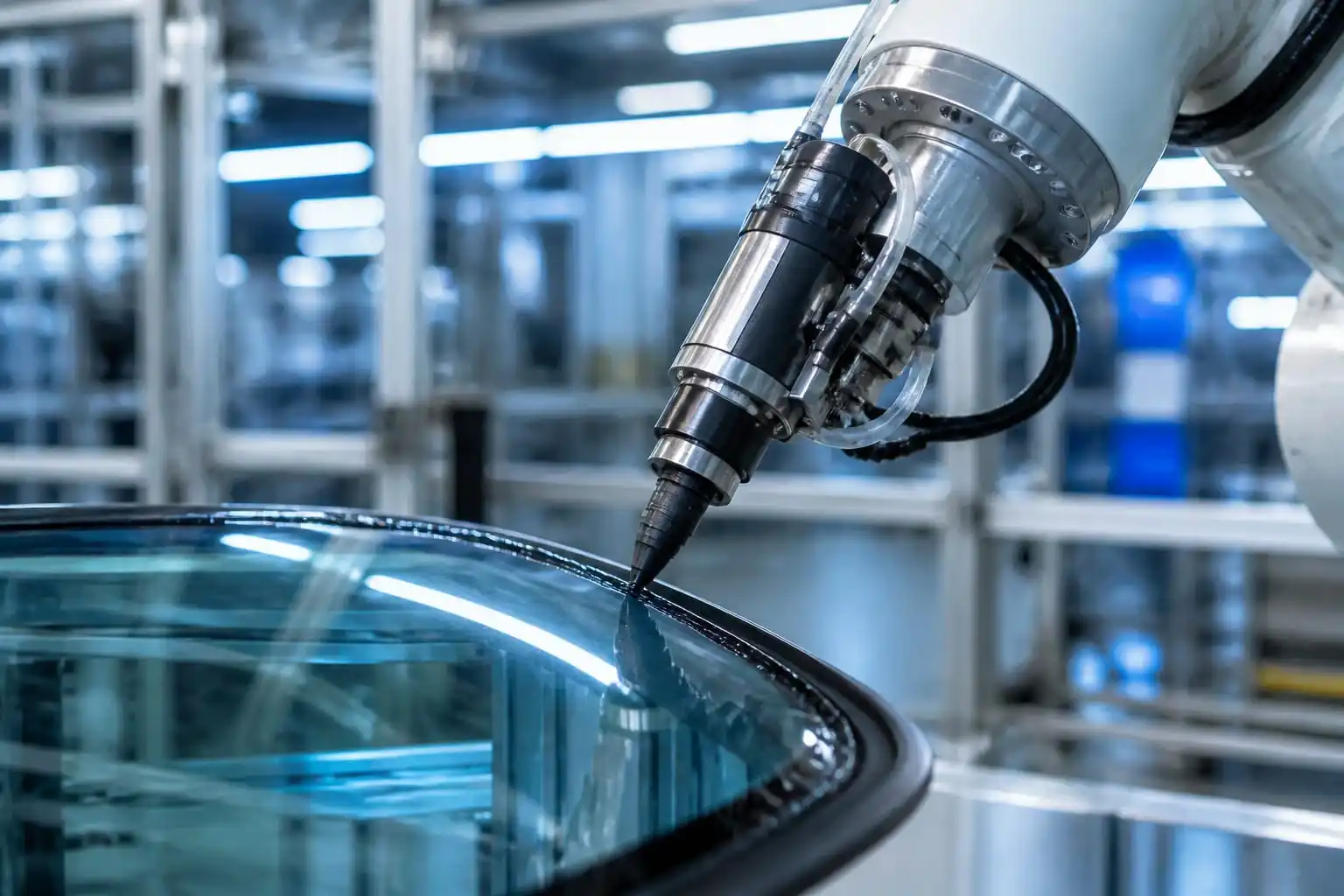
On modern Automotive Assembly Lines, precision is everything. MS Polymers have a more consistent viscosity profile under varying temperatures compared to traditional PU or silicone, making them ideal for robotic dispensing systems.
3. All-Weather Application
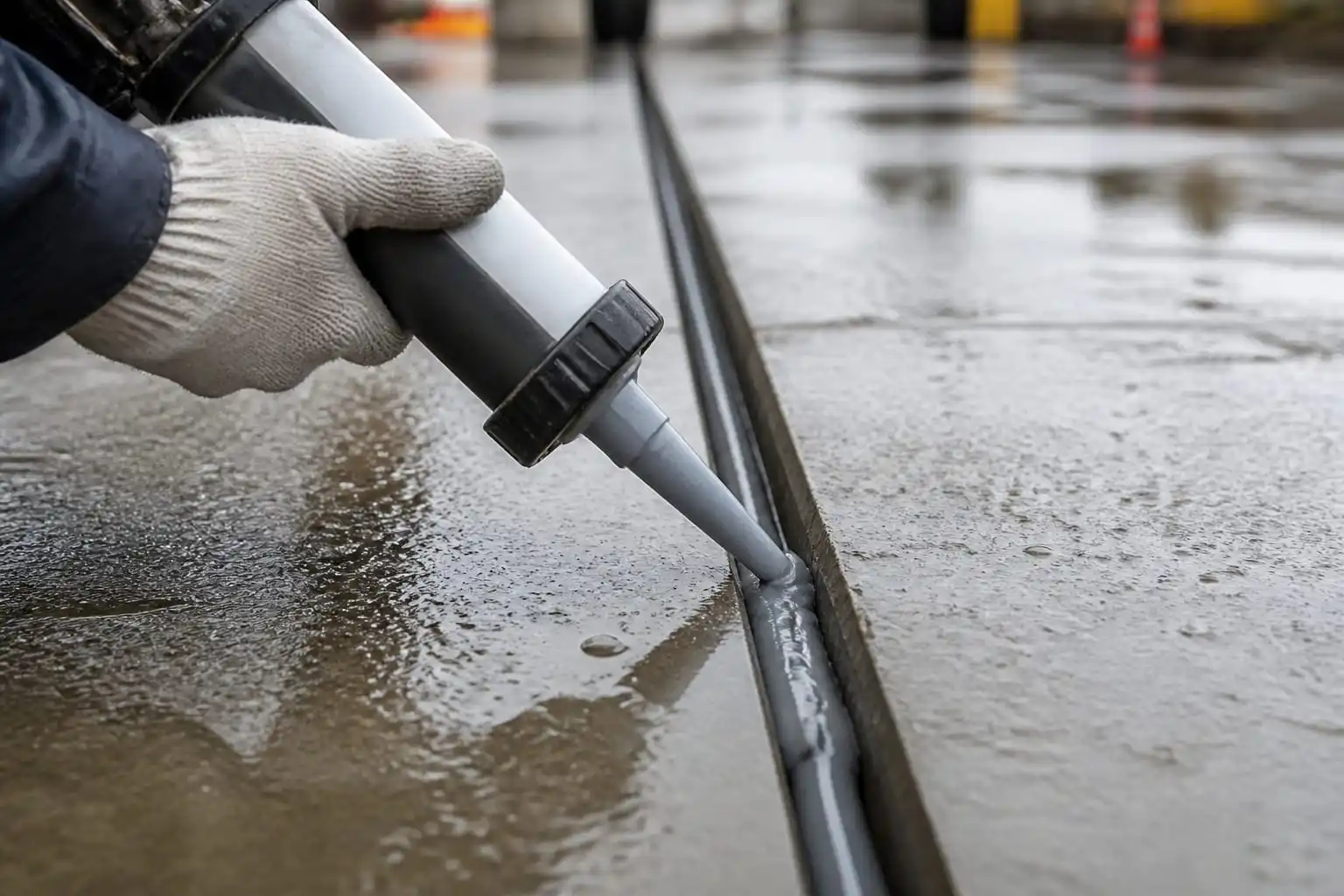
One of the top questions identified in our Semrush research is “Can I apply sealant in the rain?” While silicone fails on damp substrates, high-quality MS polymers can be applied to wet surfaces without losing bond strength, preventing costly construction delays during winter or rainy seasons.
Choosing the Best MS Polymer Sealant for Your Industry
Not all hybrids are created equal. In 2026, the global supply chain offers thousands of options, but for industrial-grade projects, you need a material that matches the elastic modulus and tensile requirements of your structural design. At Joobond, we’ve categorised our hybrid range into three high-performance tiers to simplify your selection process:
- For High-Strength Industrial Bonding: Choose high-modulus variants like JBD976, which provides the necessary structural integrity for heavy machinery, container manufacturing, and elevator bonding.
- For Construction Joints: Look for variants with high movement capability (±25% or higher) to handle thermal expansion in facades, window frames, and pre-cast concrete panels. For energy-efficient building envelopes, our Energy-Efficient Construction Guide highlights how hybrids provide an airtight seal that lasts 30+ years.
- For Automotive and Marine Repairs: Ensure the material is compatible with modern paint systems to avoid “fish-eyes” or peeling. Hybrids are now the standard for roof-to-body bonding in electric vehicles (EVs) because they don’t interfere with sensitive electronics.
5 Common Mistakes in Transitioning to Hybrid Sealants
Transitioning from a 30-year legacy of using silicone to MS polymer requires a shift in application technique. To ensure you don’t compromise your project’s Construction Durability, avoid these common pitfalls:
- Skipping Surface Cleaning: Even though MS polymers have high adhesion, dust and grease can still compromise the bond.
- Ignoring Curing Times: Hybrids cure via atmospheric moisture; in extremely dry environments curing may be slower than expected.
- Using Improper Tooling Agents: Avoid using soap-based solutions that contain excessive oils, as this can affect the paintability of the joint.
- Incorrect Storage: High-performance hybrids are sensitive to moisture in the tube. Always ensure the cap is tightened and store in a cool, dry place.
- Overlooking TCO (Total Cost of Ownership): While the unit price of MS polymer might be slightly higher than cheap silicone, the reduction in labor costs and long-term maintenance makes hybrids the more profitable choice for 2026 and beyond.
Conclusion: The Future is Hybrid
The debate between traditional sealant chemistries is fundamentally shifting toward smarter, more adaptive materials. In 2026, the industrial consensus is clear: where flexibility, paintability, and environmental safety are required, MS Polymer is the undisputed leader.
We invite you to explore our full range of Silicone and Polyurethane products or consult with our technical team at Joobond to find the exact formulation for your 2026 requirements.
 English
 العربية
 Español de México
 Русский
 Tiếng Việt
 Português do Brasil
 Bahasa Indonesia
 Türkçe