

Оглавление
- 1. Введение
- 2. Что нужно знать о силиконовом герметике, устойчивом к высоким температурам
- 3. Области применения силиконового герметика, устойчивого к высоким температурам
- 4. Преимущества использования силиконового герметика, устойчивого к высоким температурам
- 5. Как наносить силиконовый герметик, устойчивый к высоким температурам
- 6. Сравнение силиконового герметика, устойчивого к высоким температурам, с другими герметиками
- 7. ЧАСТО ЗАДАВАЕМЫЕ ВОПРОСЫ
Введение
Что происходит, когда герметик должен выдерживать воздействие двигателя, духовки, дымохода или другой поверхности, сильно нагревающейся? Стандартные продукты могут разрушаться быстрее, чем хотелось бы. Именно в таких случаях силиконовый герметик для высоких температур вступает в дело. Он разработан для сложных условий эксплуатации, где важны как гибкость, так и термостойкость.
На практике этот герметик помогает защитить стыки, зазоры и швы, подверженные воздействию дыма, газов, многократного расширения и сжатия или длительного пребывания в условиях повышенной температуры. Для покупателей и мастеров-любителей, сравнивающих различные варианты, важное значение имеет также стабильное качество производства. Joobond, сокращённое название QingDao Joobond New Materials Co., LTD., функционирует в качестве производитель в сфере строительных материалов и подчеркивает Разработка клеев на основе научно-исследовательских и опытно-конструкторских работ, поддержка OEM/ODM, бесплатные образцы и комплексная система контроля качества.
В данном руководстве рассказывается, что такое силиконовый герметик, устойчивый к высоким температурам, где он применяется, чем он отличается от обычного силикона и как его правильно наносить.
Что нужно знать о силиконовом герметике, устойчивом к высоким температурам
Состав и свойства
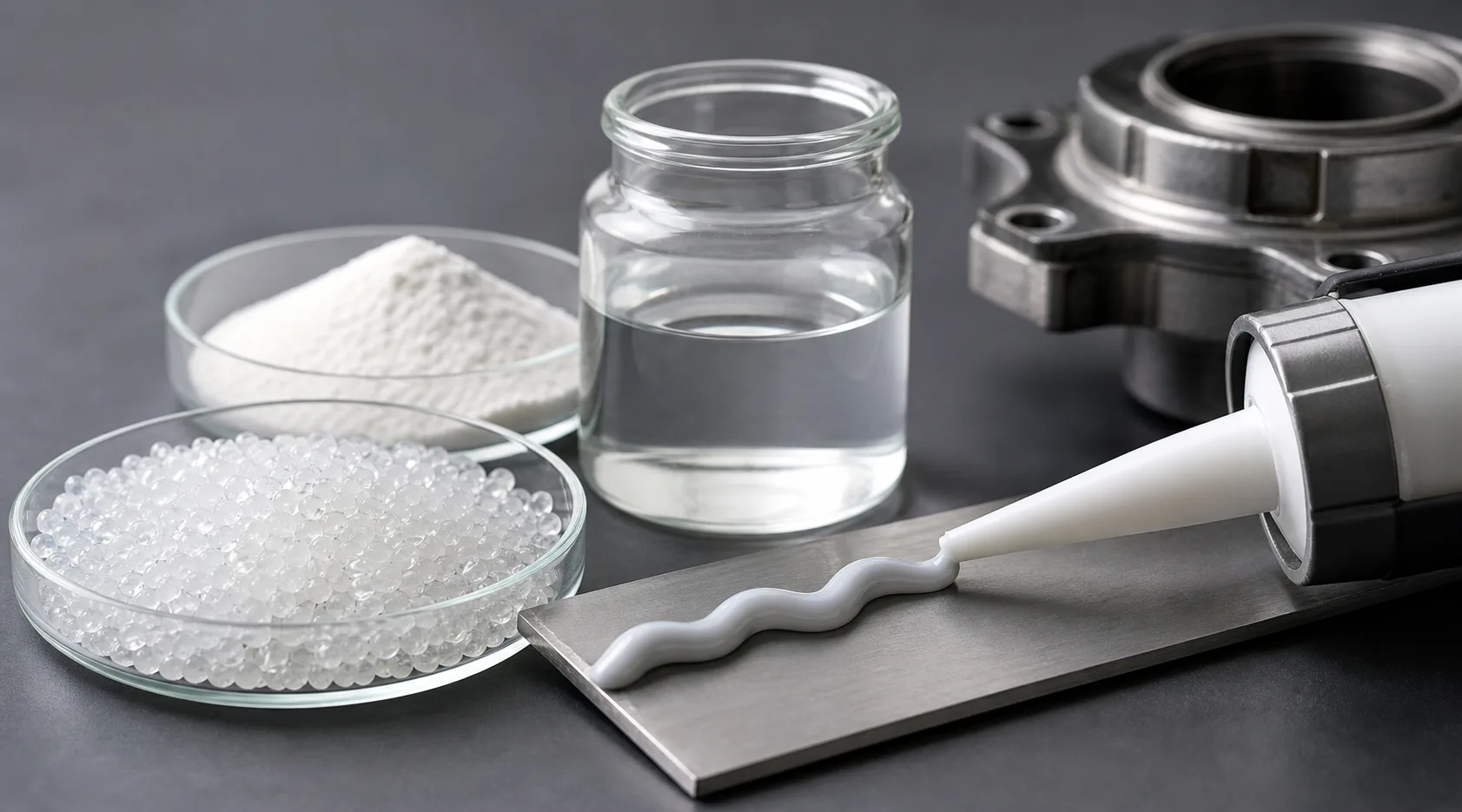
Силиконовый герметик для высоких температур изготавливается из силиконовых полимеров, специально разработанных для выдерживания экстремальных температур. Он сохраняет эластичность и прочность даже при длительном воздействии высокой температуры, что позволяет ему обеспечивать герметичность в условиях, в которых обычные герметики не справляются.
В его состав также могут входить добавки, повышающие термостойкость. Именно поэтому он применяется в условиях, где на его рабочие характеристики могут влиять высокая температура, вибрация, а также многократное расширение и сжатие.
В процессе эксплуатации этот материал не просто заполняет зазор. Он помогает защитить соединения и швы, которые в противном случае были бы подвержены разрушению под воздействием горячих поверхностей, дыма, газов или повторяющихся термических деформаций.
Для отделов закупок или специалистов по закупкам технического оборудования технологический процесс производителя также играет здесь важную роль. Такая компания, как Joobond основные моменты ведущие научно-исследовательские и опытно-конструкторские группы и а комплексная система контроля качества, что соответствует требованиям к стабильному составу и предсказуемому поведению продукта в теплочувствительных областях применения.
Термостойкость
Одной из основных причин, по которой люди выбирают силиконовый герметик, устойчивый к высоким температурам, является его термостойкость. В зависимости от конкретного продукта он может выдерживать температуры до 600 °F (315 °C) и выше. Фактические эксплуатационные характеристики зависят от конкретного изделия, поэтому перед использованием всегда следует проверять допустимую температуру.
Эта разница имеет значение, поскольку к герметику предъявляются разные требования в зависимости от условий эксплуатации. Продукт, который хорошо подходит для использования рядом с духовкой, может оказаться неподходящим для деталей двигателя, подвергающихся воздействию высоких температур, или для промышленного оборудования. Термостойкость должна соответствовать условиям эксплуатации, особенно если от уплотнения требуется сохранять надежность при длительной нагрузке.
Области применения силиконового герметика, устойчивого к высоким температурам
Автомобильная промышленность
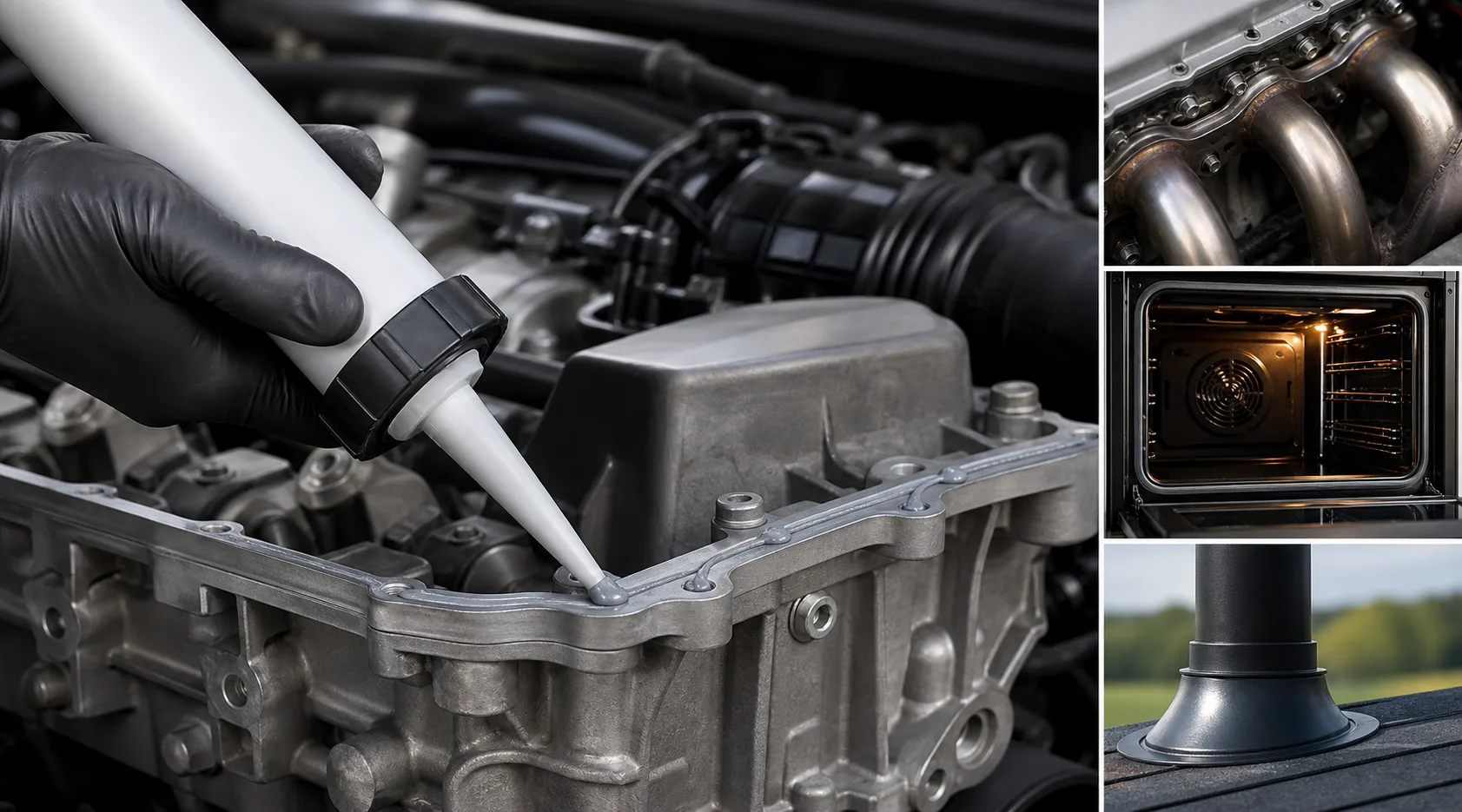
В автомобилестроении силиконовый герметик, устойчивый к высоким температурам, широко применяется на деталях двигателя, выхлопных системах и других узлах, подвергающихся постоянному воздействию высоких температур. Его задача — обеспечить герметичность, а также способствовать снижению утечек и износа в зонах, подвергающихся постоянным температурным нагрузкам.
Благодаря этому он хорошо подходит для применения в условиях, когда вибрация и высокая температура совместно ослабляют обычные уплотнительные материалы. В таких условиях гибкий термостойкий уплотнительный шв зачастую оказывается более подходящим решением, чем жесткий материал.
Строительство и архитектура
В строительстве этот герметик хорошо подходит для применения вокруг дымоходов, труб печей и систем отопления. Это участки, где воздействие высокой температуры может быть значительным, и где герметик должен сохранять эластичность, оставаясь при этом устойчивым к разрушению.
Кроме того, он применяется для герметизации зазоров и стыков в местах, которые должны оставаться воздухо- и водонепроницаемыми в суровых условиях. Вблизи тепловыделяющих устройств или дымоходных систем герметик должен обладать как долговечностью, так и термостойкостью.
Электроника и электротехника
В электронике и электротехнике термостойкий силиконовый герметик помогает защитить чувствительные компоненты от повреждений под воздействием высокой температуры. Его применяют для изоляции и герметизации деталей, которым требуется как защита, так и долговечность, особенно в оборудовании, которое сильно нагревается или работает в течение длительного времени.
Использование в быту
Силиконовый герметик, устойчивый к высоким температурам, также пригодится в быту. Его можно использовать вокруг духовок, каминов и грилей, где обычные герметики могут оказаться неподходящими. Для домовладельцев и любителей самостоятельного ремонта он представляет собой практичное решение для герметизации в условиях воздействия высоких температур.
Преимущества использования силиконового герметика, устойчивого к высоким температурам
Долговечность
Одним из основных преимуществ силиконового герметика, устойчивого к высоким температурам, является его долговечность. Он разработан таким образом, чтобы сохранять эластичность и оставаться в рабочем состоянии в течение длительного времени даже при постоянном воздействии высоких температур. Благодаря этому он лучше подходит для использования в сложных условиях, чем продукты, которые могут растрескиваться, затвердевать или быстрее терять свои эксплуатационные характеристики.
Эта долговечность имеет наибольшее значение, когда герметизированная зона подвергается многократным термическим циклам. В таких условиях уплотнение должно выдерживать воздействие как высокой температуры, так и механических перемещений.
Универсальность
Еще одним преимуществом является универсальность. Продукты этой категории могут использоваться в автомобильной, промышленной, электротехнической, строительной отраслях, а также в быту, что делает их пригодными для применения в самых разных ситуациях. Для покупателей такая гибкость упрощает подбор герметика под конкретную задачу.
Это особенно полезно в тех случаях, когда для проекта требуется, чтобы один и тот же материал обладал одновременно термостойкостью и гибкостью.
Простое применение
Силиконовый герметик, устойчивый к высоким температурам, также относительно прост в нанесении. Обычно он продается в тубах или картриджах и может наноситься с помощью стандартного шприца для герметика. Для многих пользователей это делает его доступным даже в тех случаях, когда проект не требует особых технических навыков.
Когда простота применения сочетается с поддержкой разработки OEM/ODM и бесплатные образцы, как предлагается Joobond, покупателям может быть проще оценить, подходит ли герметик именно для их конкретного случая применения, прежде чем заказывать его в больших объемах.
Как наносить силиконовый герметик, устойчивый к высоким температурам
Подготовка поверхности
Перед нанесением герметика необходимо тщательно подготовить поверхность. Тщательно очистите поверхность, удалив грязь, жир, пыль и остатки старого герметика. Чистая поверхность улучшает адгезию и способствует тому, что герметик будет работать так, как предусмотрено.
Если поверхность влажная или загрязнённая, адгезия может быть слабее. Уделение должного внимания правильной подготовке поверхности может существенно повлиять на качество конечного герметизирующего слоя.
Методы применения
Когда вы будете готовы наносить герметик, отрежьте наконечник на угол 45 градусов чтобы вам было проще контролировать поток. Нанесите клей ровным и равномерным слоем, а затем разгладьте его инструментом или пальцем, чтобы он полностью заполнил зазор.
Цель — получить равномерное уплотнение, а не наносить герметик слишком толстым слоем. Контролируемый слой герметика, как правило, легче аккуратно обработать и с меньшей вероятностью оставляет зазоры.
Процесс отверждения
После нанесения герметику требуется время для отвердевания. Обычно это занимает от 24 до 48 часов, в зависимости от продукта и условий. В течение этого времени следует избегать воздействия на обрабатываемый участок и поддерживать его в сухом состоянии, чтобы герметик смог затвердеть и образовать прочное соединение.
Если герметик слишком рано подвергнется воздействию высокой температуры, конечный результат может оказаться не столь надежным. Соблюдение периода отверждения — одно из условий обеспечения максимальной эффективности продукта.
Сравнение силиконового герметика, устойчивого к высоким температурам, с другими герметиками
Силиконовый герметик, устойчивый к высоким температурам, по сравнению с обычным силиконом
Обычные силиконовые герметики хорошо подходят для многих типичных задач по герметизации, но они не рассчитаны на такой же уровень теплового воздействия. Силиконовый герметик, устойчивый к высоким температурам, является лучшим выбором в тех случаях, когда при его применении речь идет об экстремальных температурах или повторяющихся термических нагрузках.
Если поверхность будет оставаться горячей в течение длительного времени, версия для высоких температур обеспечит более оптимальный баланс между гибкостью и термостойкостью. Обычный силикон может подойти для общего уплотнения, но он не является лучшим выбором, когда основной проблемой является воздействие высокой температуры.
Силиконовый герметик, устойчивый к высоким температурам, по сравнению с эпоксидными герметиками
Эпоксидные герметики и высокотермостойкие силиконовые герметики решают разные задачи. Эпоксидные материалы, как правило, отличаются высокой жесткостью и прочной адгезией, тогда как высокотермостойкий силикон ценится за гибкость и термостойкость.
Для применений, связанных с перемещением, расширением или сжатием под воздействием тепла, силикон зачастую является более практичным вариантом. В случаях, когда приоритетом является прочное соединение, вместо него можно рассмотреть использование эпоксидной смолы. Правильный выбор зависит от материала, температурных нагрузок и степени перемещения, которому будет подвергаться соединение.
Ключевые моменты для принятия решения
- Выберите силиконовый герметик для высоких температур когда данная зона будет подвергаться длительному или повторяющемуся воздействию высокой температуры.
- Ознакомьтесь с указанным температурным диапазоном применения продукта, поскольку его характеристики могут варьироваться в зависимости от состава.
- Используйте его там, где важна гибкость, особенно на поверхностях, которые могут расширяться или сжиматься.
- Тщательно подготовьте поверхность для обеспечения лучшей адгезии и герметичности.
- Прежде чем вновь ввести герметизированный участок в эксплуатацию, необходимо дождаться полного отвердевания.
ЧАСТО ЗАДАВАЕМЫЕ ВОПРОСЫ
Силиконовый герметик, устойчивый к высоким температурам, — это то же самое, что и обычный силикон?
Нет. Силиконовый герметик для высоких температур разработан для использования в условиях повышенных температур, тогда как обычный силикон лучше подходит для герметизации общего назначения.
Сколько времени требуется для отвердевания силиконового герметика, предназначенного для применения при высоких температурах?
Обычно он затвердевает за от 24 до 48 часов, хотя точное время может зависеть от продукта и условий нанесения.
Где обычно применяется силиконовый герметик, устойчивый к высоким температурам?
Он широко применяется в автомобилестроении, строительстве, электронике и электротехнике, а также в быту. Типичными примерами являются двигатели, выхлопные системы, дымоходы, трубы печей, духовки, камины и грили.
Почему кто-то предпочтет силиконовый герметик, устойчивый к высоким температурам, эпоксидному?
Выбирайте силиконовый герметик, устойчивый к высоким температурам, если гибкость и термостойкость важнее жесткости. Эпоксидные клеи, как правило, используются в тех случаях, когда приоритетом является более прочное соединение.
Что нужно проверить перед нанесением?
Проверьте температурный диапазон применения продукта, убедитесь, что поверхность чистая и сухая, и дождитесь полного отвердевания герметика, прежде чем подвергать его воздействию тепла.
 English
  العربية
  Español de México
  Русский
  Tiếng Việt
  Português do Brasil
  Bahasa Indonesia
  Türkçe