

Mục lục
- 1. Bắt đầu từ ứng dụng thực tế, không chỉ dựa vào nhãn keo dán kính
- 2. Đối chiếu keo dán và vật liệu nền phù hợp với mối nối
- 3. Đánh giá đồng thời đặc tính đóng rắn và hiệu suất cơ lý
- 4. Sử dụng dữ liệu sản phẩm sẵn có để thu hẹp danh sách lựa chọn
- 5. Xây dựng kế hoạch thẩm định trước khi phê duyệt sản xuất
- 6. Đánh giá năng lực nhà sản xuất cũng như chất lượng keo dán
- 7. Bước tiếp theo: xác định yêu cầu kỹ thuật cho keo dán
Keo dán kính không phải là một sản phẩm vạn năng dùng cho mọi mục đích. Đối với lĩnh vực ô tô, việc lựa chọn chính xác phụ thuộc vào việc bạn đang lắp đặt kính chắn gió, liên kết kính với kim loại, lắp ráp tấm kim loại hay thực hiện sửa chữa nhỏ trên kính. Các đơn vị thay thế kính chắn gió, xưởng thân vỏ, nhà sản xuất xe, nhà phân phối và bộ phận mua sắm kỹ thuật nên xác định rõ mối nối và quy trình trước khi so sánh tên gọi keo dán.
Bắt đầu từ ứng dụng thực tế, không chỉ dựa vào nhãn keo dán kính
Các danh mục keo dán kính tiêu dùng thường tập trung vào bao bì nhỏ để sửa chữa đồ gia dụng, đồ thủ công, trang sức hoặc liên kết kính với kính. Những sản phẩm đó đáp ứng bài toán khác so với keo dùng trong sản xuất hoặc lắp ráp ô tô. Sự phổ biến ở kênh bán lẻ không đồng nghĩa với việc phù hợp cho lắp đặt kính chắn gió, lắp ráp kim loại tấm, tra keo tự động trong dây chuyền sản xuất hay đáp ứng các tiêu chuẩn kỹ thuật.
Hãy bắt đầu bản yêu cầu kỹ thuật keo dán với các câu hỏi sau:
- Mối nối có liên quan đến kính chắn gió, tôn vỏ ô tô, kim loại trần hoặc đã sơn, nhựa, lớp phủ hay sơn lót không?
- Keo dán được dùng cho mục đích liên kết lắp ráp, làm kín hay một chức năng mối nối xác định nào khác?
- Mối nối sẽ chịu mức độ dịch chuyển/co giãn như thế nào và yêu cầu về ngoại quan hoặc màu sắc ra sao?
- Sản lượng sản xuất, hình dạng đường keo và thiết bị bơm keo nào sẽ được sử dụng?
- Quy trình lắp đặt hoặc lắp ráp đòi hỏi thời gian thao tác và tiến trình đóng rắn như thế nào?
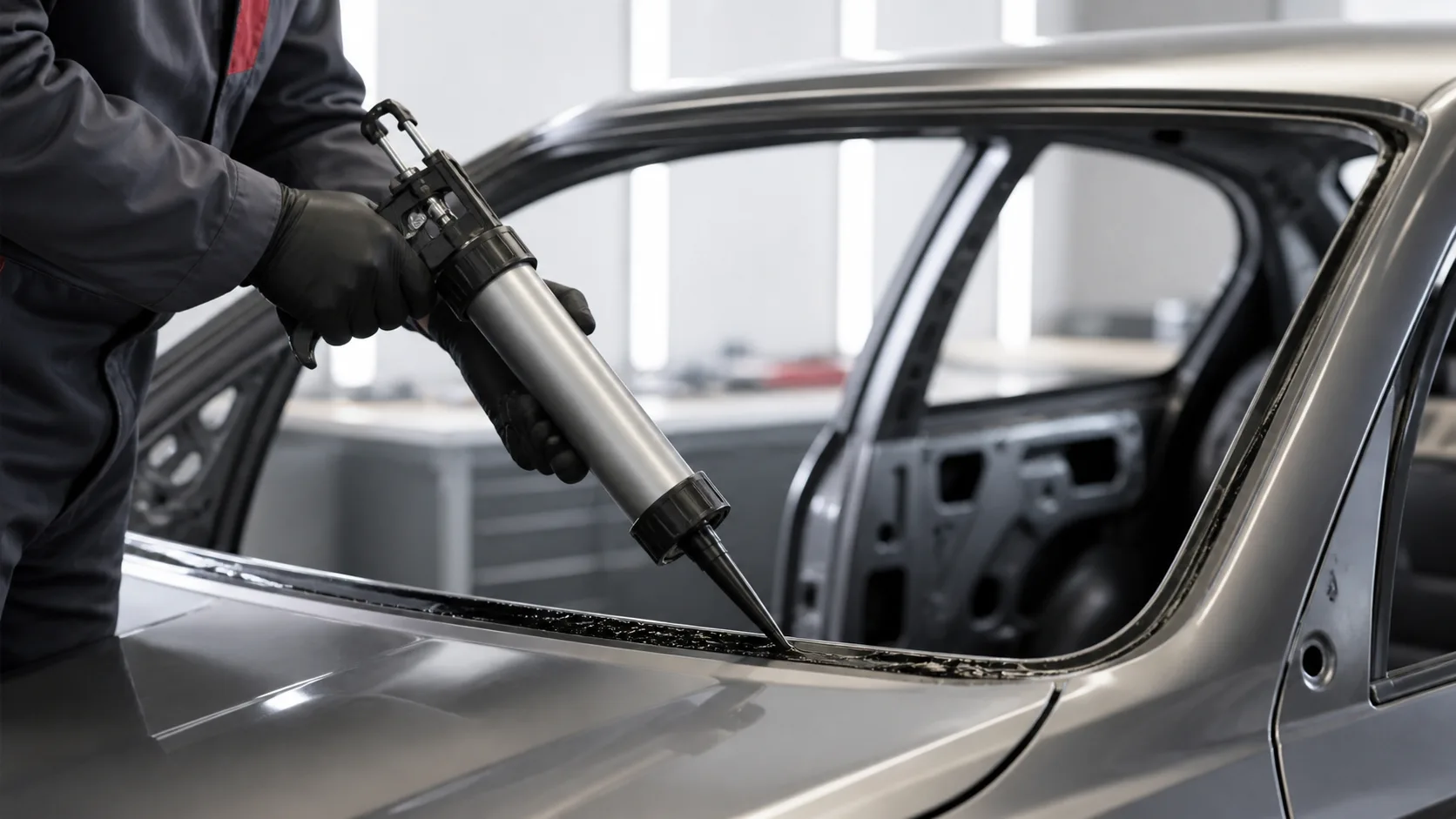
Các sản phẩm được liệt kê của Joobond minh chứng vì sao ứng dụng phải được đặt lên hàng đầu: J-540 được xác định là Keo dán kim loại tấm ô tô, J-520 như Keo dán kính chắn gió cường độ cao, và J-518 như Keo dán kính chắn gió ô tô Polyurethane. Các sản phẩm này cần được xem xét như những ứng viên cho từng ứng dụng cụ thể, thay vì xem là các lựa chọn keo dán kính có thể thay thế lẫn nhau.
 Bắt đầu từ ứng dụng thực tế, không chỉ dựa vào nhãn keo dán kính" loading="lazy" decoding="async">
Đối chiếu keo dán và vật liệu nền phù hợp với mối nối
Xác nhận mọi vật liệu sẽ tiếp xúc với keo, bao gồm chính xác loại kính, kim loại, sơn, nhựa, lớp phủ và hệ thống sơn lót. Yêu cầu nhà cung cấp cung cấp tài liệu về độ tương thích và bằng chứng ứng dụng cụ thể cho sự kết hợp đó. Tên sản phẩm hoặc nhóm hóa chất đơn thuần không đủ để khẳng định tính phù hợp cho một dòng xe cụ thể, loại kính, phương pháp xử lý bề mặt hay quy trình lắp đặt.
J-518 có thể được đưa vào danh sách đánh giá keo polyurethane dán kính chắn gió ô tô. J-540 có thể được xem xét khi yêu cầu chính là lắp ráp kim loại tấm. Trong cả hai trường hợp, hãy yêu cầu xác nhận về việc xử lý bề mặt, yêu cầu sơn lót, phương pháp thi công và điều kiện đóng rắn trước khi phê duyệt sản xuất.
Đồng thời làm rõ vai trò của keo dán. Keo được chọn để liên kết lắp ráp có thể có những yêu cầu khác với chất trám được chọn chủ yếu để bịt kín mối nối. Nhà cung cấp cần xác nhận sản phẩm đề xuất được thiết kế để thực hiện chức năng nào trong ứng dụng đã xác định.
Đánh giá đồng thời đặc tính đóng rắn và hiệu suất cơ lý
Dữ liệu kỹ thuật chỉ thực sự hữu ích khi được đối chiếu với quy trình thực tế. Tốc độ đóng rắn và thời gian khô bề mặt cần được xem xét dựa trên các yêu cầu thao tác và sản xuất, trong khi độ bền kéo, độ bền kéo-trượt, độ dãn dài và độ cứng Shore A phải được đánh giá đồng thời. Khả năng đùn keo và đặc tính chống chảy xệ cũng cần được đánh giá bằng chính ống keo, bơm, đầu vòi, hướng đi keo và hình dạng mối nối dự kiến sử dụng.
| Tài sản | Keo dán kim loại tấm ô tô J-540 | Keo dán kính chắn gió ô tô Polyurethane J-518 |
|---|---|---|
| Vẻ bề ngoài | Đen, trắng, xám hoặc be | Dạng bột nhão đồng nhất màu đen |
| Tỷ trọng | 1,5 gam trên centimet khối | 1,50 g/cm³ |
| Tốc độ đóng rắn | 3,5 mm/ngày | 3,5 mm/ngày |
| Thời gian khô bề mặt | 35 phút | 30 phút |
| Hàm lượng chất bay hơi | 1% | 3% |
| Độ cứng Shore A | 45 | 65 |
| Độ bền kéo | 2,5 MPa | 3,5 MPa |
| Độ dãn dài khi đứt | 600% | 320% |
| Khả năng đùn ép | 320 ml/phút | 110 ml/phút |
| Đặc tính chống chảy xệ | 0 mm | 0 mm |
| Độ bền kéo-trượt | 2 MPa | 2,5 MPa |
Các số liệu trên là giá trị tiêu biểu do nhà cung cấp cung cấp, không phải kết quả thử nghiệm được xác minh độc lập. Trước khi đưa ra quyết định phê duyệt, hãy yêu cầu phương pháp thử nghiệm, điều kiện, dung sai và phạm vi áp dụng của từng giá trị. Chỉ số độ bền kéo cao hơn, độ dãn dài lớn hơn, độ cứng khác biệt hay thời gian khô bề mặt nhanh hơn không mặc nhiên là tốt hơn; thiết kế mối nối và quy trình thực tế mới là yếu tố quyết định.
Sử dụng dữ liệu sản phẩm sẵn có để thu hẹp danh sách lựa chọn
Đánh giá J-540 cho ứng dụng lắp ráp kim loại tấm
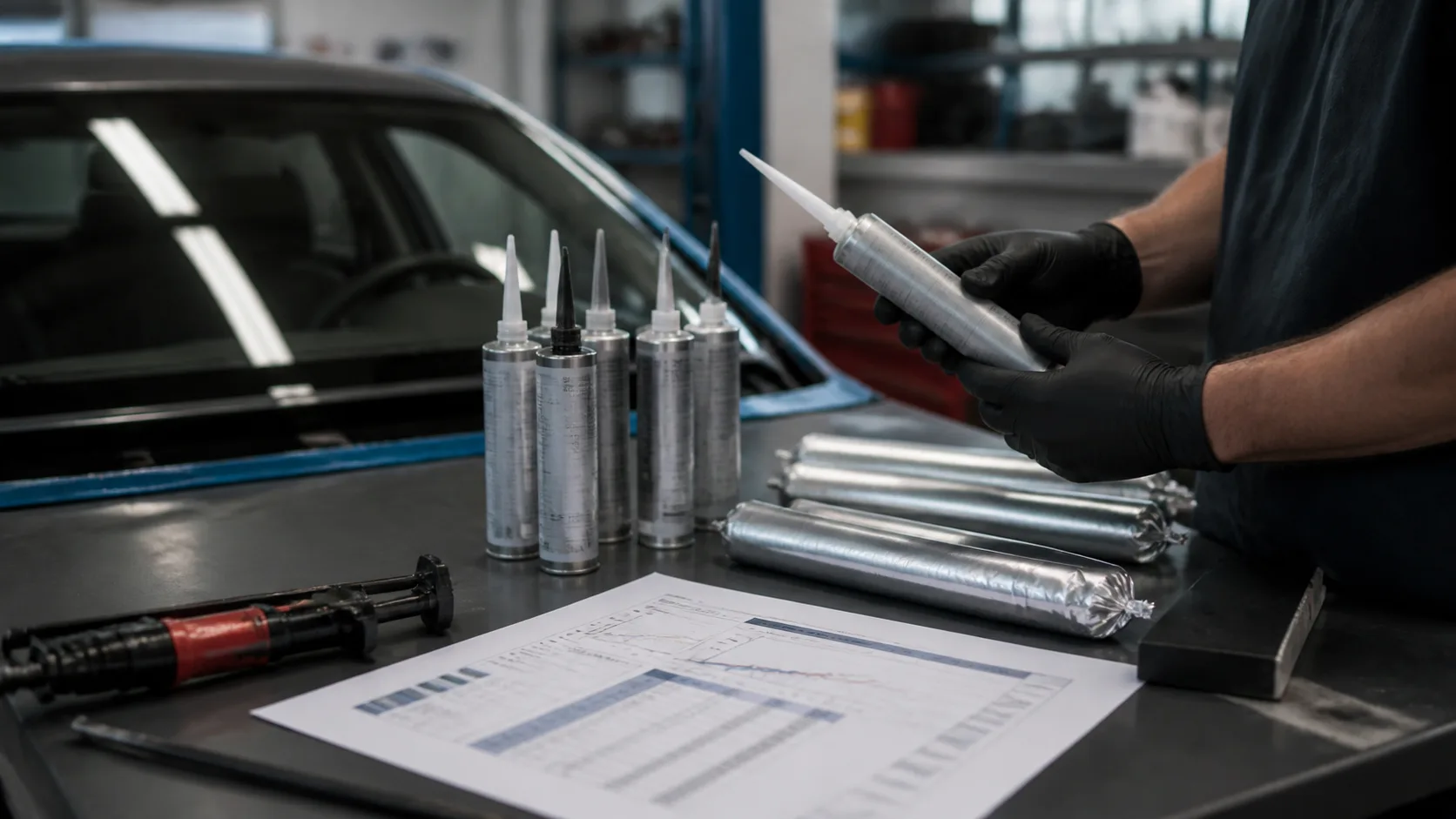
J-540 được xác định cho các ứng dụng keo dán tấm kim loại ô tô. Thông số sơ bộ được cung cấp bao gồm độ cứng Shore A 45, độ dãn dài khi đứt 600%, độ bền kéo 2,5 MPa, độ bền kéo-trượt 2 MPa và khả năng đùn 320 ml/phút. Các giá trị này có thể được so sánh với yêu cầu về độ linh hoạt, độ bền, phương thức đi keo và quy trình thao tác, tùy thuộc vào việc xác nhận kỹ thuật.
Đánh giá J-518 cho ứng dụng keo dán kính chắn gió polyurethane
J-518 được xác định là keo dán kính chắn gió ô tô gốc polyurethane. Dữ liệu cung cấp mô tả đây là dạng bột nhão đồng nhất màu đen với độ cứng Shore A 65, độ bền kéo 3,5 MPa, độ dãn dài khi đứt 320%, độ bền kéo-trượt 2,5 MPa và khả năng đùn 110 ml/phút. Người mua nên xác nhận xem ngoại quan, đặc tính đóng rắn, tốc độ đùn và các chỉ số cơ lý của keo có phù hợp với quy trình lắp đặt dự kiến hay không.
J-520 yêu cầu bổ sung dữ liệu kỹ thuật
J-520 được định danh là Keo dán kính chắn gió cường độ cao, nhưng chưa có thông số kỹ thuật nào được cung cấp tại đây. Hãy giữ sản phẩm này trong danh sách đánh giá nếu ứng dụng đã nêu phù hợp với dự án, nhưng cần yêu cầu cung cấp dữ liệu kỹ thuật trước khi so sánh với J-540 hoặc J-518. Không nên suy đoán về hiệu suất, độ bền, phê duyệt kiểm định, chứng nhận, sự tuân thủ quy định, khả năng chịu va chạm khi va chạm và chế độ bảo hành chỉ dựa vào tên sản phẩm.
 Sử dụng dữ liệu sản phẩm sẵn có để thu hẹp danh sách lựa chọn" loading="lazy" decoding="async">
Xây dựng kế hoạch thẩm định trước khi phê duyệt sản xuất
Sử dụng dữ liệu sản phẩm ban đầu để sàng lọc các phương án, sau đó thẩm định hệ thống đã chọn trong điều kiện ứng dụng thực tế. Một quy trình đánh giá thực tế nên bao gồm:
- Bảng dữ liệu kỹ thuật (TDS) và bảng chỉ dẫn an toàn hóa chất (SDS) hiện hành.
- Phương pháp thử nghiệm, điều kiện, dung sai và thông tin đóng rắn.
- Độ tương thích với sự kết hợp chính xác của kính, kim loại, sơn, nhựa, lớp phủ và sơn lót.
- Hướng dẫn chuẩn bị bề mặt và thi công.
- Đặc tính đùn đường keo, độ chảy xệ, thời gian khô bề mặt, thao tác xử lý và tiến trình đóng rắn.
- Thử nghiệm hiệu suất mối nối bằng vật liệu và quy trình dự kiến sử dụng.
- Các chứng nhận bắt buộc, tiêu chuẩn, phê chuẩn của nhà sản xuất xe, yêu cầu theo luật định và điều khoản bảo hành.
- Bảo quản, hạn sử dụng, bao bì đóng gói, kiểm soát lô, hồ sơ chất lượng, số lượng đặt hàng tối thiểu (MOQ), thời gian giao hàng và điều kiện vận chuyển.
Không phê duyệt sử dụng trong sản xuất chỉ dựa trên việc so sánh catalog. Nhà cung cấp cần cung cấp tài liệu và mẫu thử phù hợp với hệ thống mà người mua đã xác định, trong khi người mua vẫn chịu trách nhiệm xác nhận các yêu cầu nội bộ và phê duyệt ứng dụng.
Đánh giá năng lực nhà sản xuất cũng như chất lượng keo dán
Đối với nguồn cung ứng ô tô định kỳ, cần đánh giá nhiều yếu tố hơn là chỉ nhãn mác sản phẩm. Hãy tìm hiểu xem nhà sản xuất có khả năng hỗ trợ phát triển theo ứng dụng cụ thể, trao đổi kỹ thuật, kiểm soát chất lượng ổn định và cung cấp tài liệu xuyên suốt các đơn hàng lặp lại hay không. Hồ sơ kiểm soát và xuất xưởng theo lô cần được thảo luận như một phần của quy trình đánh giá năng lực nhà cung cấp.
QingDao Joobond New Materials Co., LTD. tự giới thiệu là nhà sản xuất chuyên nghiệp với các đội ngũ R&D tập trung vào phát triển và tùy biến keo dán. Hồ sơ doanh nghiệp cũng nêu rõ công ty duy trì hệ thống kiểm soát chất lượng nhằm đảm bảo chất lượng sản phẩm tốt và ổn định. Những năng lực này có thể là điểm khởi đầu cho các thảo luận kỹ thuật, nhưng người mua nên xác minh các cơ sở cụ thể, chứng nhận, năng lực sản xuất, chứng chỉ chất lượng và điều khoản cung ứng cho ứng dụng dự kiến tại thị trường mục tiêu.
Bước tiếp theo: xác định yêu cầu kỹ thuật cho keo dán
Trước khi yêu cầu tư vấn, hãy chuẩn bị danh sách vật liệu nền, phương pháp xử lý bề mặt, kích thước mối nối, thiết kế đường keo, phương pháp tra keo, thời gian thao tác, điều kiện đóng rắn, chỉ tiêu hiệu suất, yêu cầu màu sắc, quy cách đóng gói và sản lượng đặt hàng dự kiến. Một bản yêu cầu rõ ràng sẽ giúp J-540, J-520 hoặc J-518 được đánh giá đúng theo công việc thực tế thay vì chỉ dựa trên nhãn gọi chung là “keo dán kính”.”
Hãy liên hệ với QingDao Joobond New Materials Co., LTD. cùng thông tin về vật liệu nền, thiết kế mối nối, quy trình thi công, mục tiêu hiệu suất và nhu cầu đóng gói để trao đổi về hướng dẫn sản phẩm, mẫu thử hoặc phương án điều chế theo yêu cầu.
 Bước tiếp theo: xác định yêu cầu kỹ thuật cho keo dán" loading="lazy" decoding="async">
 English
  العربية
  Español de México
  Русский
  Tiếng Việt
  Português do Brasil
  Bahasa Indonesia
  Türkçe