

Índice
In the rapidly evolving world of industrial manufacturing and construction, selecting the right adhesive is not just a technical detail—it’s a critical decision that impacts the structural integrity, longevity, and safety of the final product. As we move into 2026, the global industrial adhesives market is increasingly focused on high-performance materials that can withstand extreme environments while offering efficient application. Two of the most prominent contenders for structural bonding are Epoxy Resin and Polyurethane (PU) sealants. This guide breaks down the core differences, performance metrics, and procurement criteria to help you make an informed choice for your next project.
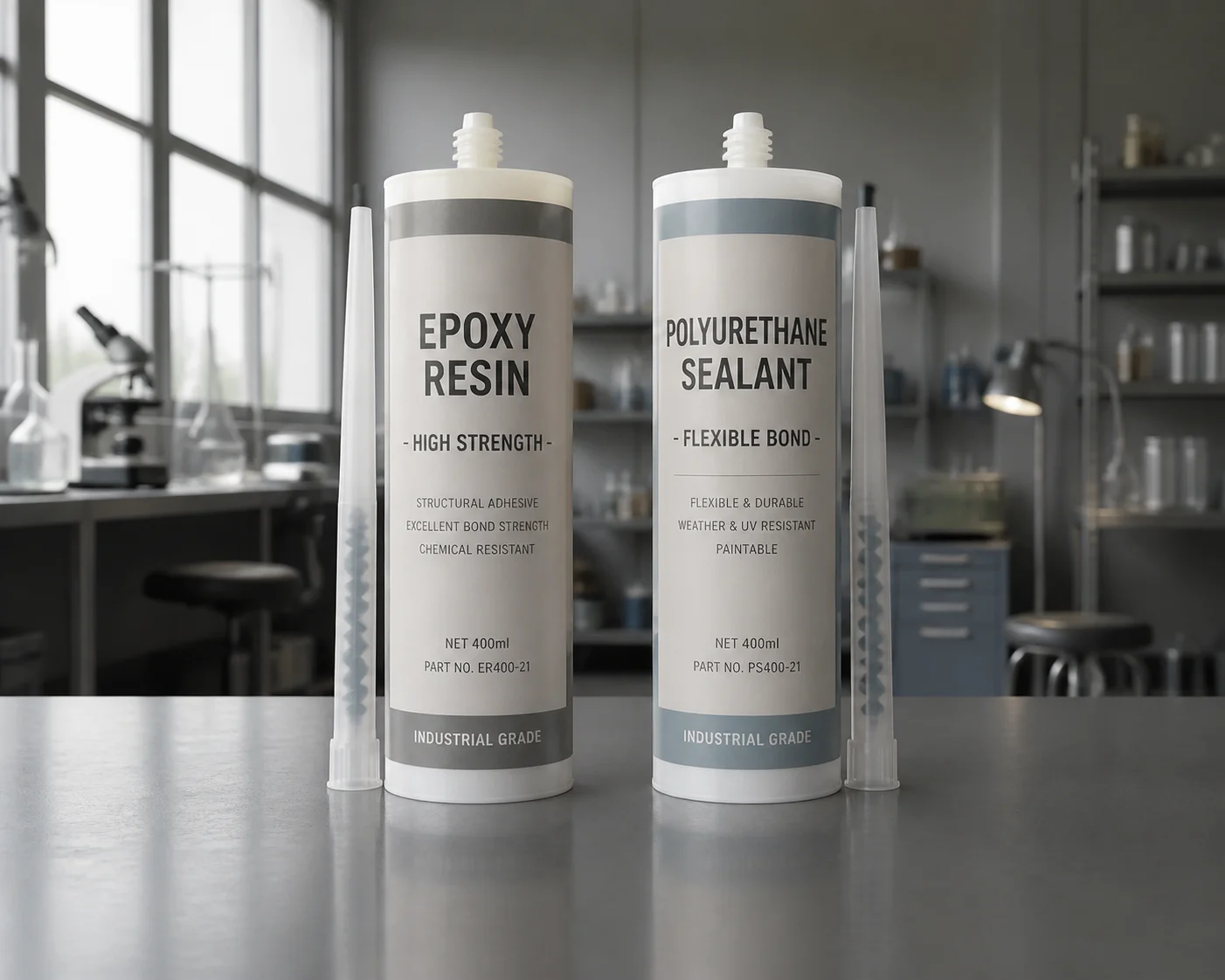
Understanding the Core Chemistry: Epoxy vs. Polyurethane
Before diving into the performance data, it is essential to understand the fundamental chemical nature of these two materials. Epoxy resins are typically two-component systems (resin and hardener) that undergo a chemical reaction to form a rigid, cross-linked polymer structure. This structure is renowned for its incredible mechanical strength and minimal shrinkage during curing.
Polyurethane sealants, on the other hand, are based on urethene linkages. They can be found as either one-component (moisture-curing) or two-component systems. The defining characteristic of PU is its molecular flexibility. While epoxy forms a rigid ‘glass-like’ bond, PU creates a ‘rubber-like’ bond that can stretch and compress. For industrial buyers, the choice often comes down to this fundamental trade-off: Do you need absolute rigidity or resilient flexibility?
Key Properties of Epoxy Resins
Epoxy is the heavyweight champion of load-bearing strength. Its properties include: Exceptional Tensile Strength capable of withstanding massive loads without deformation; Superior Chemical Resistance making it ideal for aerospace and automotive engine components; Low Shrinkage ensuring bonded parts remain perfectly aligned; and Thermal Stability maintaining integrity at higher temperatures.
Key Properties of Polyurethane Sealants
Polyurethane is the go-to solution for dynamic environments. Its properties include: High Elasticity to absorb vibrations and compensate for thermal expansion; Excellent Adhesion to diverse substrates like metals, plastics, and concrete without extensive priming; Impact Resistance preventing brittle failure; and UV/Weather Resistance engineered to resist degradation from sunlight and rain. For high-performance construction needs, our Polyurethane Sealant Supplier Guide provides deeper technical specifications.
Performance Comparison: Strength, Durability, and Flexibility
When evaluating ‘Epoxy Resin vs Polyurethane Sealant’ for structural bonding, the decision usually hinges on three critical performance vectors: static strength, dynamic durability, and environmental flexibility.
Mechanical Strength and Load Bearing
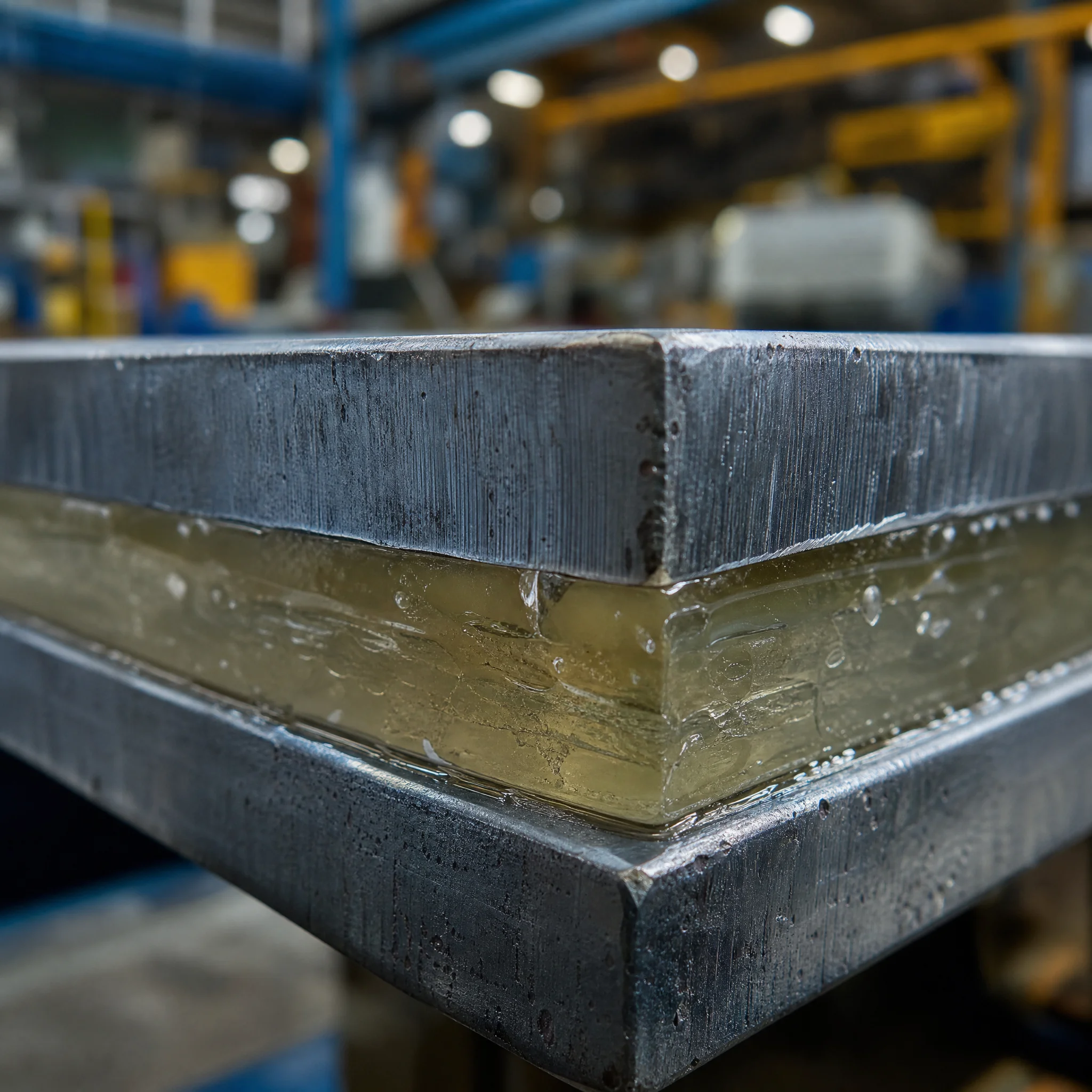
If your application involves bonding two metal plates under constant, heavy static tension—such as in a bridge structure or heavy machinery frame—Epoxy is the clear winner. Epoxy’s high modulus of elasticity means it will not ‘creep’ or move over time under load. In laboratory tests, epoxy bonds often exceed the strength of the substrates themselves, meaning the metal will tear before the adhesive fails. For metal-specific applications, refer to our Guía de proveedores de adhesivos para metales.
However, in applications like automotive windshield bonding, pure strength isn’t the only requirement. The bond must also handle the twisting and vibration of the vehicle body. This is where Polyurethane shines. While it has lower absolute tensile strength than epoxy, its ‘toughness’—the ability to absorb energy before failure—is significantly higher. Learn more in our Automotive Windshield Bonding Guide.
Durability in Harsh Environments
Durability is not just about how long a bond lasts in a lab, but how it survives in the field. Epoxy resins are almost impermeable to moisture and chemicals, making them the standard for underwater applications or chemical storage tanks. Their weakness, however, is brittleness. Over years of thermal cycling, a rigid epoxy bond might develop micro-fractures if the materials expand at different rates.
Polyurethane sealants offer a different kind of durability. Their ability to move with the substrate prevents the buildup of internal stress. This makes them far more durable for outdoor construction joints, cladding, and transportation equipment where movement is inevitable. Consider our Sellador de polímero MS JBD975 for applications requiring high weather resistance.
Industrial Application Scenarios: Where to Use Which?
Choosing the right adhesive depends entirely on the specific demands of your industry. Below are the most common scenarios where one clearly outperforms the other.
When to Choose Epoxy Resin
- Aerospace and Marine: For structural components requiring maximum strength-to-weight ratios.
- Electronics Potting: To protect delicate circuits from vibration while providing a rigid moisture barrier.
- Tooling and Casting: Creating durable molds and industrial tools that must maintain precise dimensions.
- Heavy Machinery: Bonding load-bearing metal components where no movement is allowed.
When to Choose Polyurethane Sealants
- Automotive and Transportation: For bonding windshields, body panels, and roof structures.
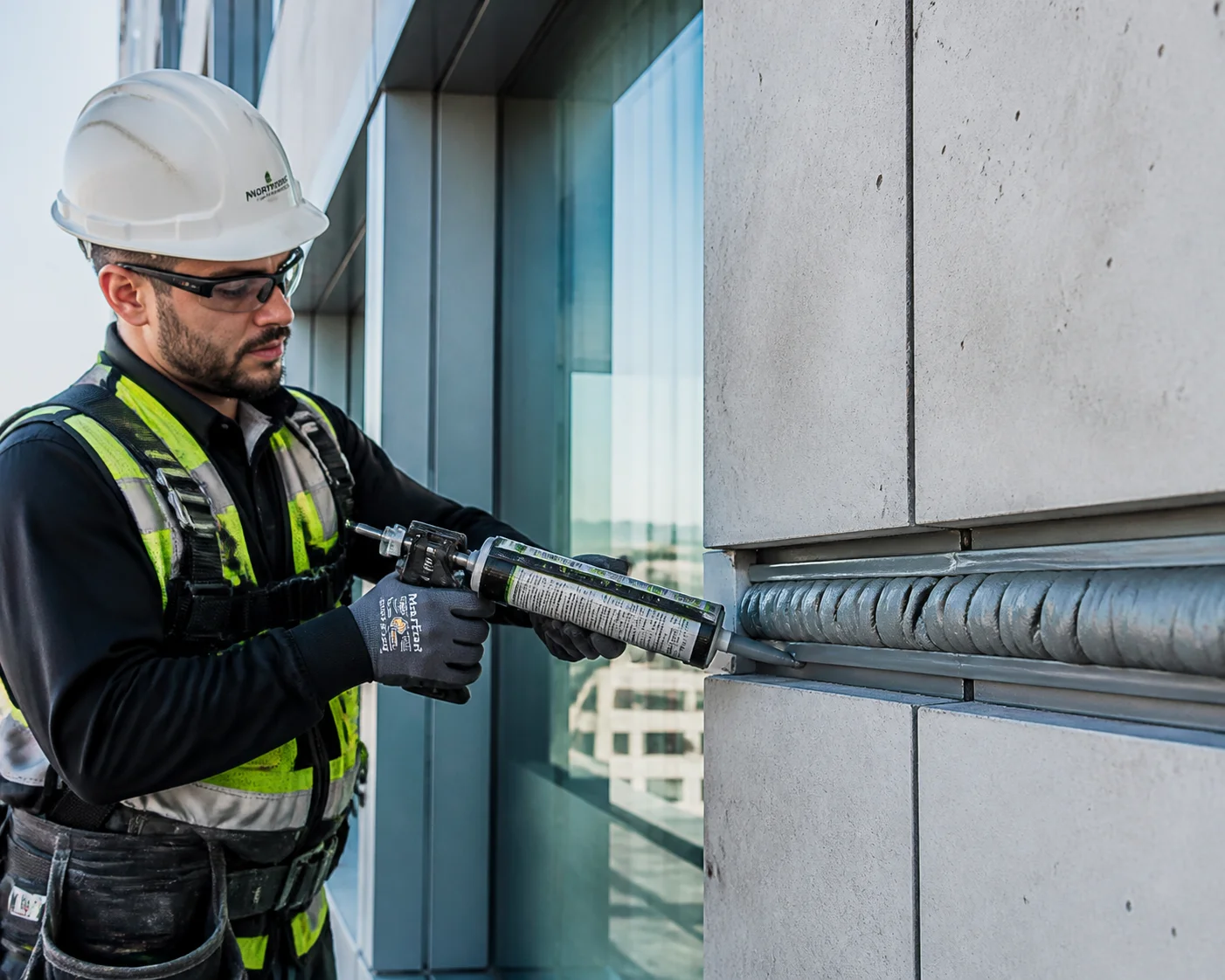
- Construction and Infrastructure: Expansion joints, window glazing, and facade bonding.
- Renewable Energy: Bonding components in wind turbine blades or solar panel frames.
- General Assembly: Where bonding dissimilar materials requires an adhesive that can bridge the thermal expansion gap.
2026 Procurement Guide: Cost-Benefit Analysis and Trends
As we look toward the remainder of 2026, the industrial adhesive market is being shaped by two major trends: sustainability and automation. Procurement managers must look beyond the price per liter and consider the total cost of ownership (TCO).
Total Cost of Ownership (TCO)
Epoxy resins often have a higher upfront material cost and may require more complex mixing equipment. However, their long-term reliability in high-stress environments can reduce maintenance costs and prevent catastrophic failures. Polyurethane sealants are generally more cost-effective for large-scale applications and are easier to apply, though some substrates require specific primers. Check our Guía de selección de proveedores de selladores for cost-saving tips.
2026 Trend: The Rise of Sustainable Adhesives
Green building certifications and environmental regulations are driving demand for Low-VOC and bio-based adhesives. In 2026, many leading suppliers, including Joobond, are introducing hybrid sealants that combine the strength of epoxy with the flexibility of polyurethane, all while meeting strict environmental standards like LEED or REACH. See our Guía de construcción energéticamente eficiente for more.
2026 Structural Bonding Procurement Checklist
To ensure you select the best adhesive for your specific needs, use this checklist during your procurement process. These parameters are essential for maximizing the return on investment and ensuring safety:
- Identify Substrates: Are you bonding similar materials (Metal-Metal) or dissimilar (Metal-Plastic)?
- Determine Load Type: Is it a static load (Epoxy) or a dynamic/vibrating load (PU)?
- Analyze Environmental Exposure: Will the bond be exposed to extreme heat, UV light, or aggressive chemicals?
- Evaluate Curing Time: Do you need a fast-curing system or a 24-hour room-temperature cure?
- Check Regulatory Compliance: Does the product meet the VOC and safety standards required for your region?
- Shelf Life and Storage: Verify the storage requirements. Some high-performance PUs have a shorter shelf life.
- Dispensing Equipment: Ensure your current machinery can handle the viscosity of the chosen adhesive.
- Consult the Experts: Manufacturers like Joobond offer technical support to help you match the adhesive to your factory conditions.

Conclusión
The debate of ‘Epoxy Resin vs Polyurethane Sealant’ doesn’t have a single winner; it has a right answer for a specific problem. If you need unyielding strength and chemical resistance, Epoxy is your solution. If you need a resilient, weather-resistant bond that can move with your structure, Polyurethane is the way to go. Looking forward, the industry is moving toward hybrid technologies that attempt to capture the ‘best of both worlds’. The best procurement strategy is to partner with a supplier that understands both chemistries and can provide the technical data necessary to back up your choice. By prioritizing testing and technical verification over unit price, you can ensure that your structural bonds remain secure for decades to come. This approach not only safeguards your physical assets but also protects your brand reputation in the global marketplace. Explore our full range of Productos de silicona y poliuretano for your next project.
 English
 العربية
 Español de México
 Русский
 Tiếng Việt
 Português do Brasil
 Bahasa Indonesia
 Türkçe