

Bathroom Sealant: How to Choose and Apply It
Bathroom Sealant works best when matched to location: silicone for showers, acrylic for paintable areas, polyurethane for heavy-duty jobs, with proper prep and care.
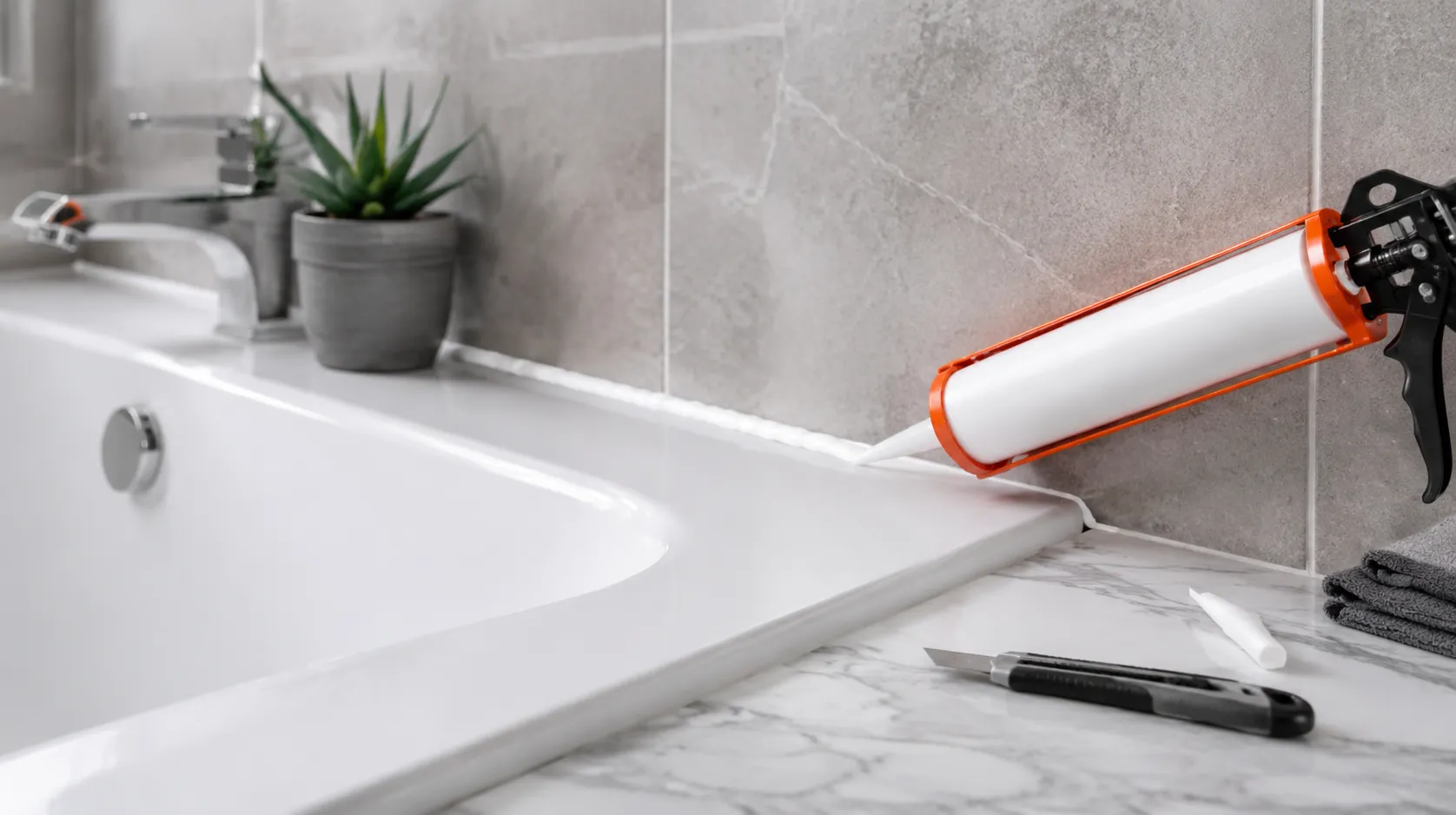
Bathroom Sealant works best when matched to location: silicone for showers, acrylic for paintable areas, polyurethane for heavy-duty jobs, with proper prep and care.
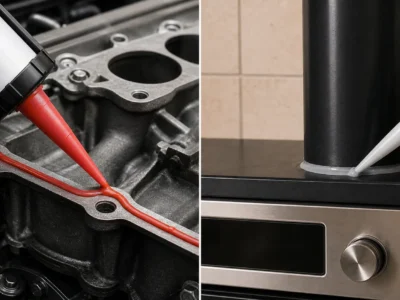
High heat silicone sealant handles sustained temperature stress better than regular silicone, with uses in engines, ovens, chimneys, and other hot surfaces.

Top 5 Silicone Sealant Manufacturers in Shandong for construction, façade, industrial, and automotive sourcing, with buyer-fit signals and verification points.
Top 5 Silicone Sealant Manufacturers in Shandong for Buyers Read More »
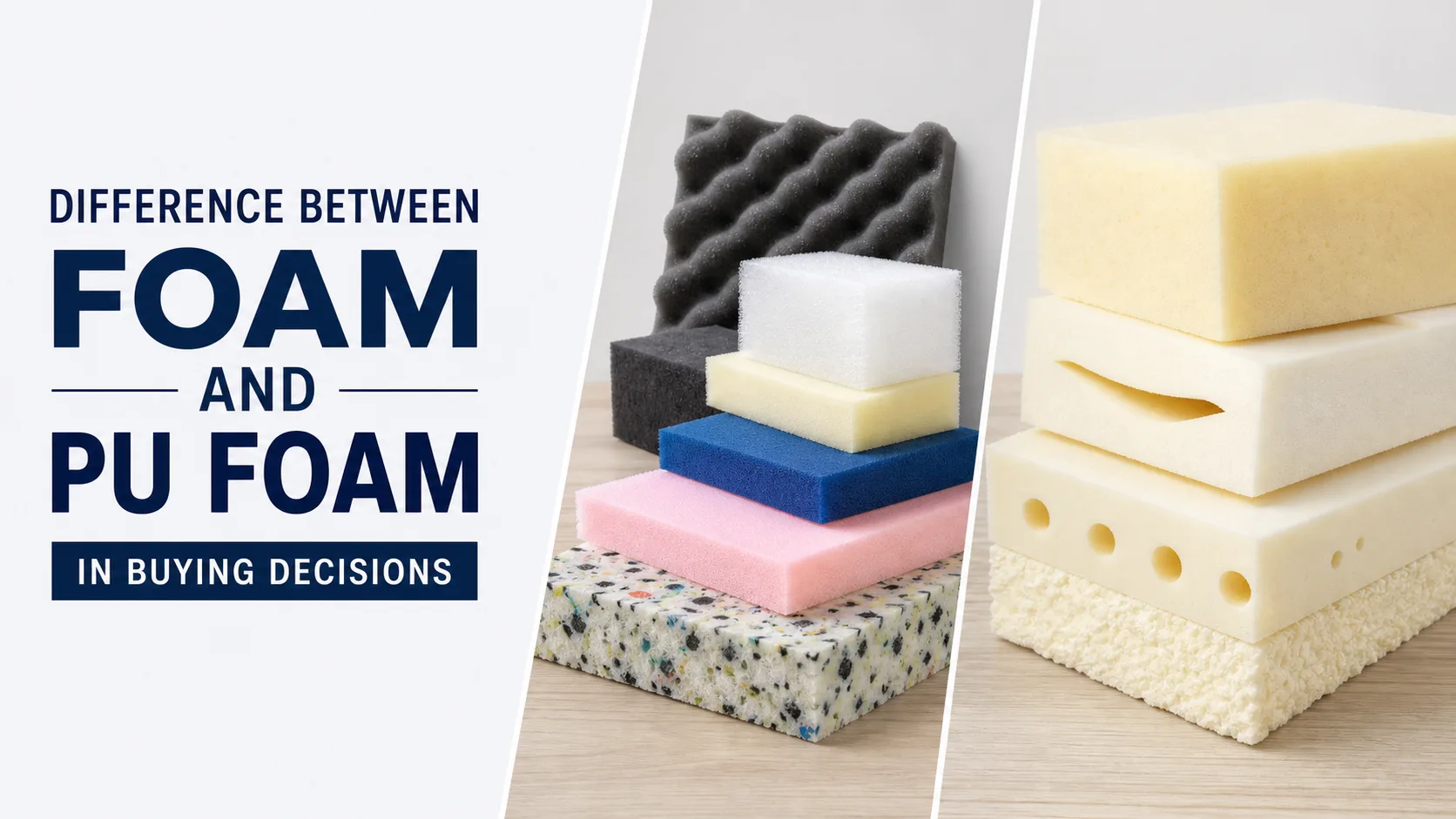
Difference Between Foam and PU Foam comes down to chemistry, density, feel, durability, and use case, especially for mattresses, insulation, and molded parts.
Difference Between Foam and PU Foam in Buying Decisions Read More »
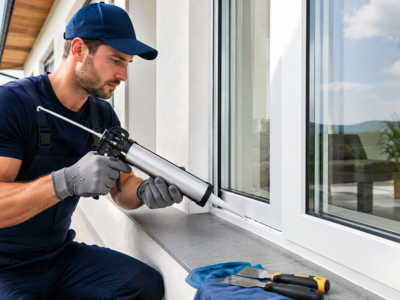
The guide to door and window adhesives compares acidic and neutral sealants, matching them to substrates, exposure, standards, and durability needs.
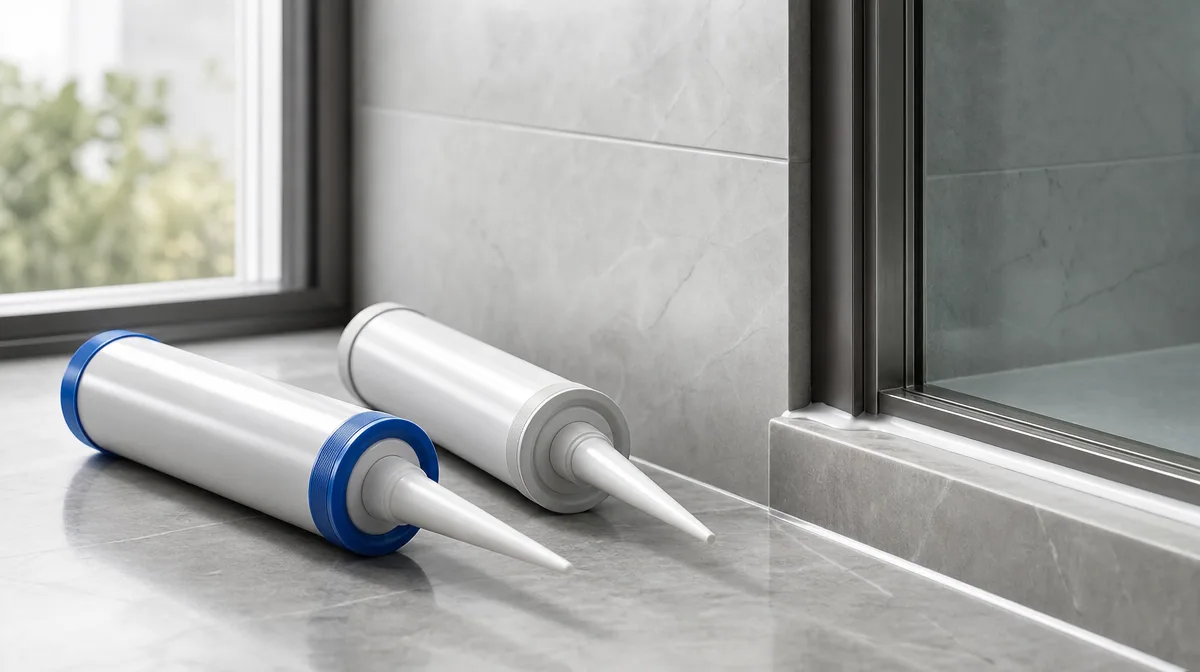
Choose silicone sealant vs. silicone caulk for wet areas, moving joints, and paintable finishes—check the label before you buy.
Silicone Sealant vs. Silicone Caulk: Which Fits? Read More »
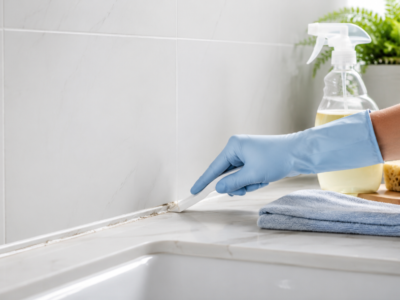
Clean silicone sealant with gentle steps: use soap, vinegar, or alcohol by stain type, avoid damage, and know when replacement is needed.
Choose nail free sealant for cleaner, simpler repairs by checking surface prep, cure time, load limits, and outdoor suitability first.
Choose the best sealants for energy-efficient construction by comparing silicone and polyurethane on VOCs, raw materials, and health impact.
Choose the best sealant for wet areas by matching silicone, polyurethane, or polysulfide to the substrate, moisture level, and joint movement.
 English
 العربية
 Español de México
 Русский
 Tiếng Việt
 Português do Brasil
 Bahasa Indonesia
 Türkçe